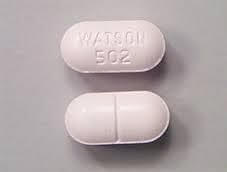
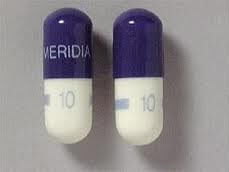
Meridia 10 mg (Sibutramine) – Product Information
Meridia 10 mg is a tablet formulation containing sibutramine, a centrally acting appetite suppressant that was previously used as a prescription treatment for obesity. A meridia pill works primarily by affecting certain neurotransmitters involved in appetite regulation, which can reduce hunger and increase feelings of fullness.
Because of significant cardiovascular safety concerns, sibutramine-containing medicines were withdrawn from the U.S. market in 2010. Regulatory status and availability can differ between countries, so patients should consult a qualified healthcare professional before considering any product containing sibutramine.
Meridia 10 mg at a Glance
- Active ingredient: Sibutramine
- Strength: 10 mg
- Dosage form: Tablet
- Drug class: Appetite suppressant
- Historical use: Prescription weight-management treatment
- Important consideration: Associated with increased cardiovascular risk in certain patients
Meridia Weight Loss Pill
A meridia weight loss pill was historically prescribed as part of a comprehensive weight-management program involving dietary changes, physical activity, and medical supervision. Sibutramine affects brain signaling associated with appetite and satiety rather than preventing the absorption of dietary fat.
It should not be regarded as an ordinary meridia diet pill or a general-purpose slimming supplement. Sibutramine has clinically important effects and potential risks that require professional assessment.
For additional information about symptoms, diagnosis, and treatment, explore our guide to ADD and ADHD.
Meridia Tablets Uses
Historically, meridia tablets uses centered on medically supervised weight management in adults with obesity or certain overweight-related risk factors. It was intended to be used alongside lifestyle measures rather than as a substitute for a balanced diet and regular physical activity.
Sibutramine is not an approved treatment for cancer, depression, anxiety, diabetes, or cardiovascular disease, and it should not be promoted for those purposes.
Meridia Pills Side Effects
Potential meridia pills side effects can include:
- Increased blood pressure
- Increased heart rate
- Dry mouth
- Constipation
- Headache
- Insomnia
- Dizziness
- Changes in appetite
More serious cardiovascular effects have been associated with sibutramine. People with cardiovascular disease, uncontrolled hypertension, or certain other medical conditions may face particular risks.
Seek urgent medical attention for symptoms such as chest pain, severe shortness of breath, fainting, or a rapid or irregular heartbeat.
Active Ingredient
- Generic name: Sibutramine
- Brand name: Meridia
- Strength: 10 mg
- Dosage form: Oral tablet/capsule formulation depending on the historical product
- Drug category: Centrally acting appetite suppressant
- Historical indication: Weight management in adults with obesity
Sibutramine acts as a serotonin-noradrenaline reuptake inhibitor, increasing the availability of certain neurotransmitters involved in appetite regulation.
What Is a Meridia Weight Loss Pill?
A meridia weight loss pill was designed to support weight reduction by decreasing appetite and increasing feelings of fullness. Clinical use was intended to form part of a broader weight-management program rather than replace healthy eating or physical activity.
The European Medicines Agency reported that the additional weight loss associated with sibutramine was relatively modest compared with placebo and that it was uncertain whether the benefit would persist after treatment stopped.
Meridia Diet Pill: How It Worked
The term meridia diet pill is sometimes used online to describe sibutramine. Pharmacologically, sibutramine worked by inhibiting the reuptake of serotonin and noradrenaline in the brain.
This mechanism could:
- Reduce feelings of hunger
- Increase satiety after eating
- Support reduced food intake
- Assist with weight reduction when combined with dietary and lifestyle changes
It is important to distinguish this mechanism from fat-blocking medications. Sibutramine did not work by preventing the intestine from absorbing dietary fat.
Meridia Tablets Uses
Historically, meridia tablets uses focused on obesity management and maintenance of weight loss as part of a comprehensive lifestyle program.
Meridia was not an approved treatment for:
- Cancer
- Depression
- Anxiety
- Diabetes itself
- High cholesterol
- Cardiovascular disease
Claims that sibutramine directly treats these conditions should therefore be avoided.
Important Safety Information
A meridia drug containing sibutramine may interact with other medicines, including certain antidepressants and other drugs that affect serotonin or cardiovascular function. A healthcare professional should review a patient’s medications and medical history before treatment.
Sibutramine-containing products should not be used during pregnancy or breastfeeding unless specifically determined appropriate by a qualified healthcare professional.
Do not combine sibutramine with other weight-loss medicines, stimulants, or supplements without professional medical advice.
For more details about Meditech Anavar, including its active ingredient and safety considerations, visit the dedicated product page.
Meridia Weight Loss Drug: Medical Considerations
Although sometimes described online as a meridia weight loss drug, sibutramine is not equivalent to currently approved over-the-counter weight-loss supplements. Its history of cardiovascular safety concerns makes professional evaluation particularly important.
Patients considering treatment for obesity should discuss currently approved weight-management options with a licensed healthcare provider. The appropriate treatment depends on factors such as medical history, existing medications, cardiovascular risk, and individual weight-management goals.
Storage and Handling
Keep tablets in their original packaging and store them according to the product labeling. Keep medicines away from children and do not use products that are expired, damaged, improperly labeled, or obtained from an unreliable source.
Meridia Pills Side Effects
Potential meridia pills side effects included both common reactions and clinically important cardiovascular effects.
Reported effects included:
- Dry mouth
- Constipation
- Headache
- Insomnia
- Dizziness
- Increased heart rate
- Increased blood pressure
- Palpitations
The cardiovascular effects are particularly important because sibutramine can increase blood pressure and pulse rate. Historical FDA labeling required regular monitoring of blood pressure and pulse during treatment.
Serious Cardiovascular Risks
The major safety concern associated with this meridia drug is cardiovascular risk.
In the SCOUT cardiovascular outcomes study, patients receiving sibutramine had a higher rate of the primary cardiovascular outcome than those receiving placebo. Nonfatal heart attack and nonfatal stroke were also increased in the sibutramine group.
The FDA subsequently determined that the benefits of Meridia no longer outweighed its risks and withdrew its U.S. approval in December 2010.
The EMA likewise concluded that the risks of sibutramine outweighed its benefits and recommended suspension of marketing authorizations throughout the European Union.
Who Should Avoid Sibutramine?
Historical prescribing information identified cardiovascular disease as a major contraindication. Meridia should not be considered appropriate for people with conditions such as:
- Coronary artery disease
- Congestive heart failure
- Certain cardiac arrhythmias
- Previous stroke
- Uncontrolled hypertension
The former FDA labeling specifically warned about increased cardiovascular risk and substantial increases in blood pressure or pulse in some patients.
Drug Interactions
Sibutramine could interact with other medicines affecting serotonin, blood pressure, heart rate, or the central nervous system.
Potentially important interactions included certain:
- Antidepressants
- Monoamine oxidase inhibitors
- Serotonergic medicines
- Other appetite suppressants
- Stimulant medications
- Medicines affecting blood pressure or heart rhythm
A complete medication review by a healthcare professional is important before considering any medicine containing sibutramine.
Summary
Meridia 10 mg (sibutramine) is a former prescription appetite suppressant that was used for obesity management. While a meridia pill may appear in online listings as a meridia diet pill or meridia weight loss pill, sibutramine has important cardiovascular safety concerns and is no longer marketed in several major markets.
Before using any meridia pills, speak with a qualified healthcare professional to determine whether a currently approved and safer weight-management treatment is appropriate.